
Biomolecular Research and
Advanced Computing Center (BioRacc)

Research Focus

Disease programs and computational methods, side by side.

From antiviral evaluation and HIV/TB co-infection to genomics, AI, protein design, and small-molecule optimization—research that moves candidates from screen to insight.

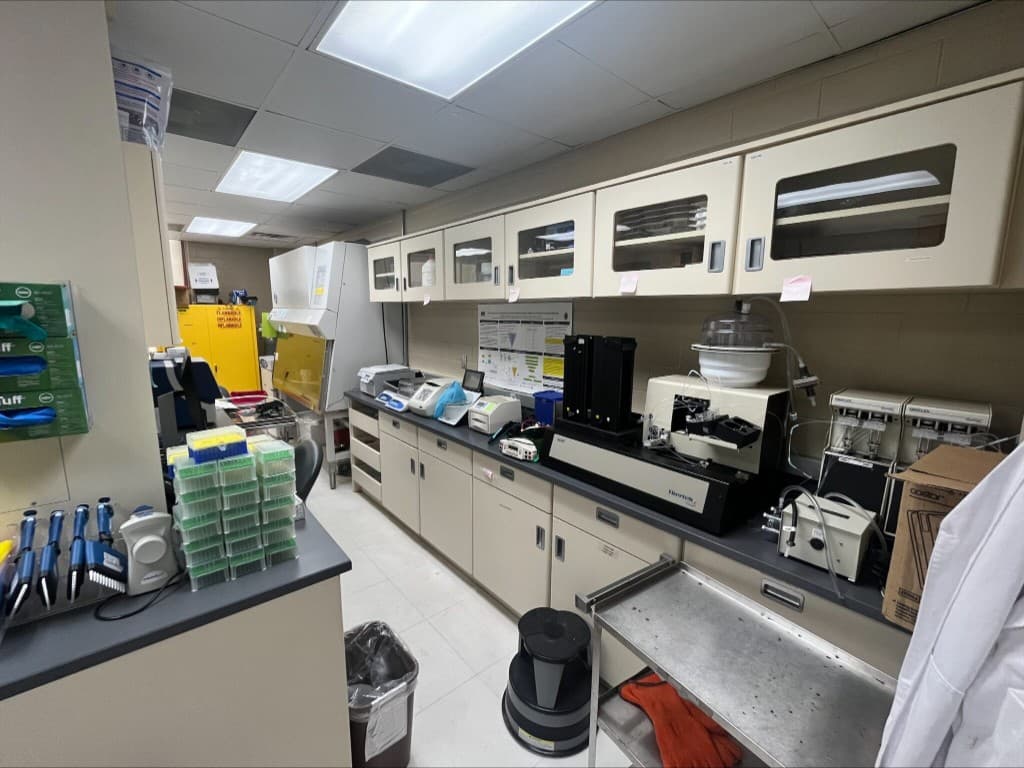
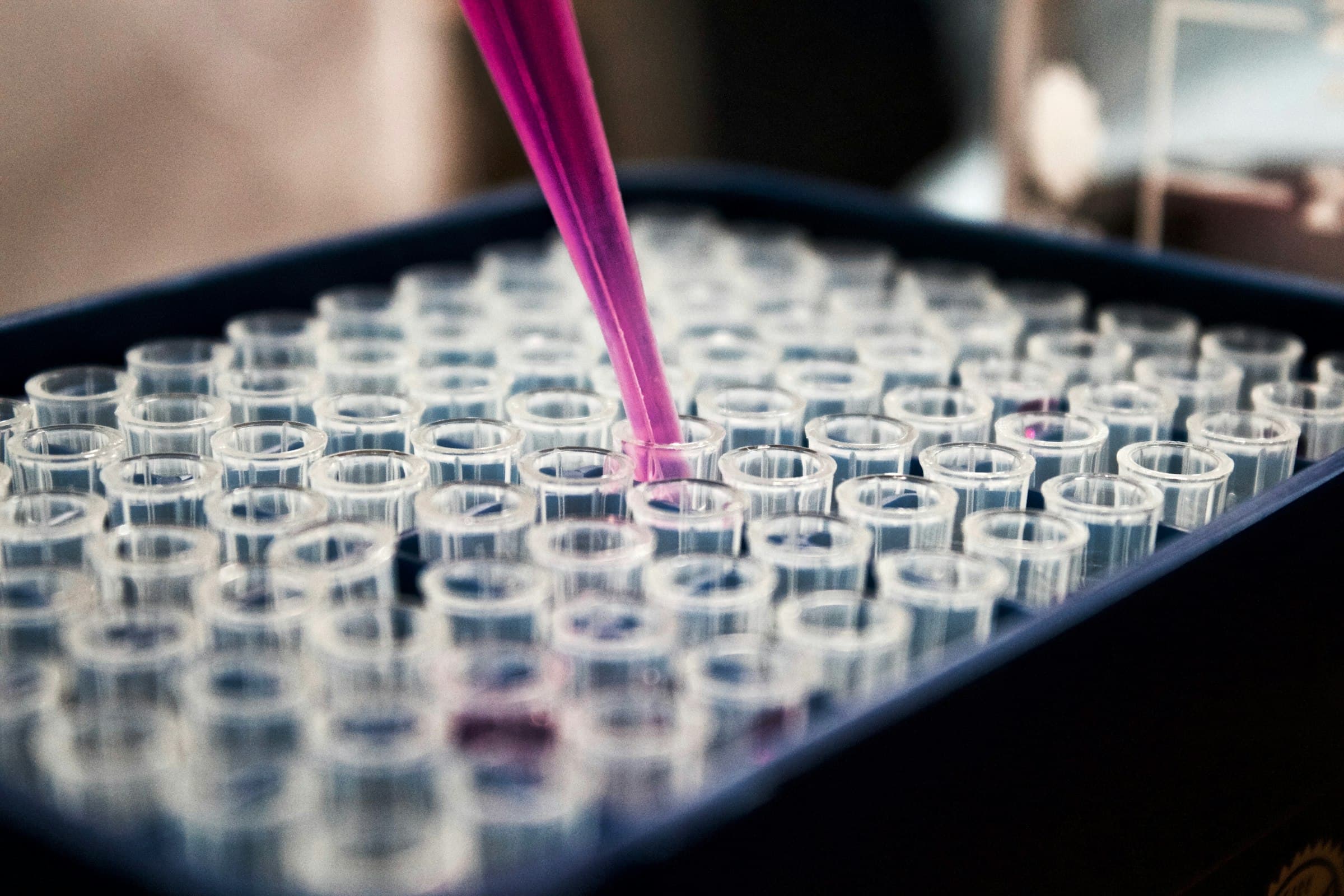
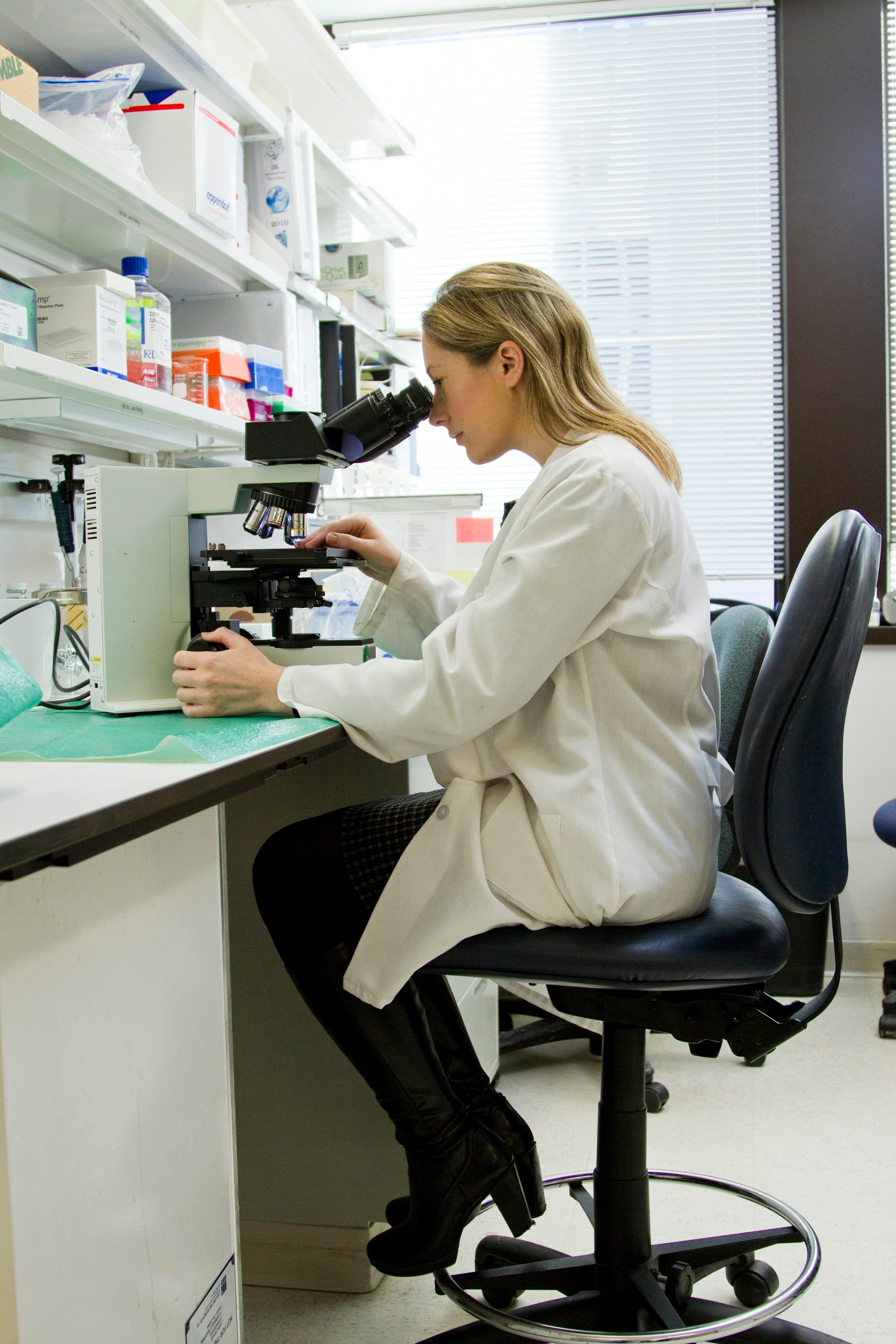
Wet-lab benchwork supporting BioRacc antiviral and antibacterial programs

Computation and experiment, side by side

Each focus area moves from structural insight to candidate testing—so models inform assays, and assay results refine the next round of discovery. Open any program below to read how the science unfolds.

Our research areas

Ten programs spanning infection, computation, and discovery

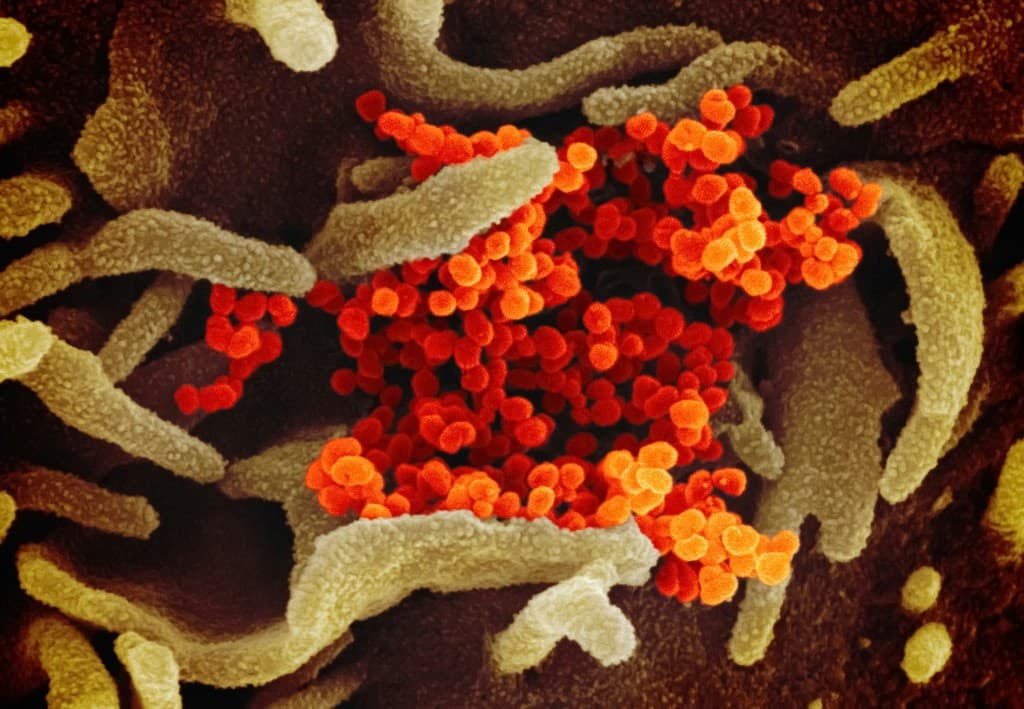
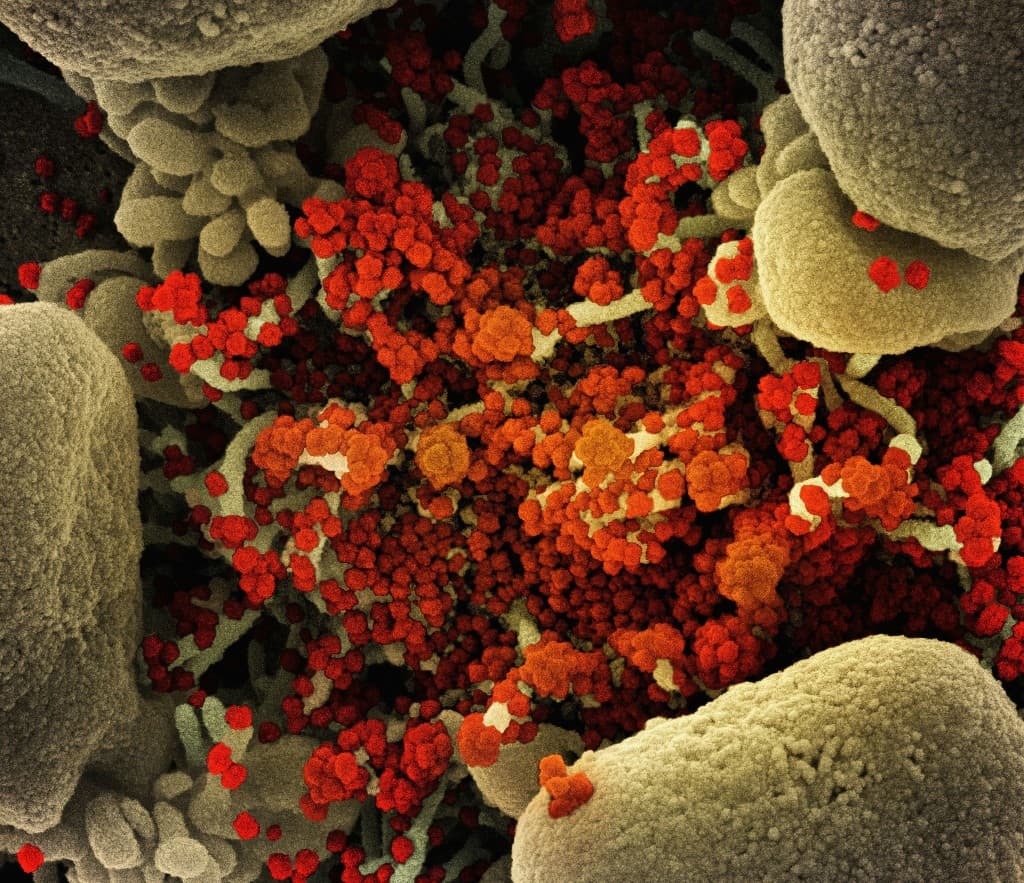
Colorized scanning electron micrograph of SARS-CoV-2 virus particles emerging from a cell surface

Focus 01

SARS-CoV-2 antiviral evaluation

In vivo/in vitro evaluation of inhibitory (antiviral) activities of known and novel drugs against SARS-CoV-2 proteins and human proviral proteins

Antiviral screening of known and novel drug candidates.

This research investigates the antiviral potential of known and novel drugs against SARS-CoV-2 and human proviral proteins through in vivo and in vitro studies. By evaluating inhibitory activities, the study aims to identify effective therapeutic candidates, advancing treatment strategies for COVID-19 and related viral infections.

Known and novel compounds are assessed for inhibitory activity against SARS-CoV-2 proteins and human proviral factors that support infection.

In vitro and in vivo evaluation helps prioritize candidates with the strongest therapeutic potential for COVID-19 and related viral diseases.

  • In vivo and in vitro antiviral evaluation
  • SARS-CoV-2 and human proviral protein targets
  • Candidate prioritization for COVID-19 therapy
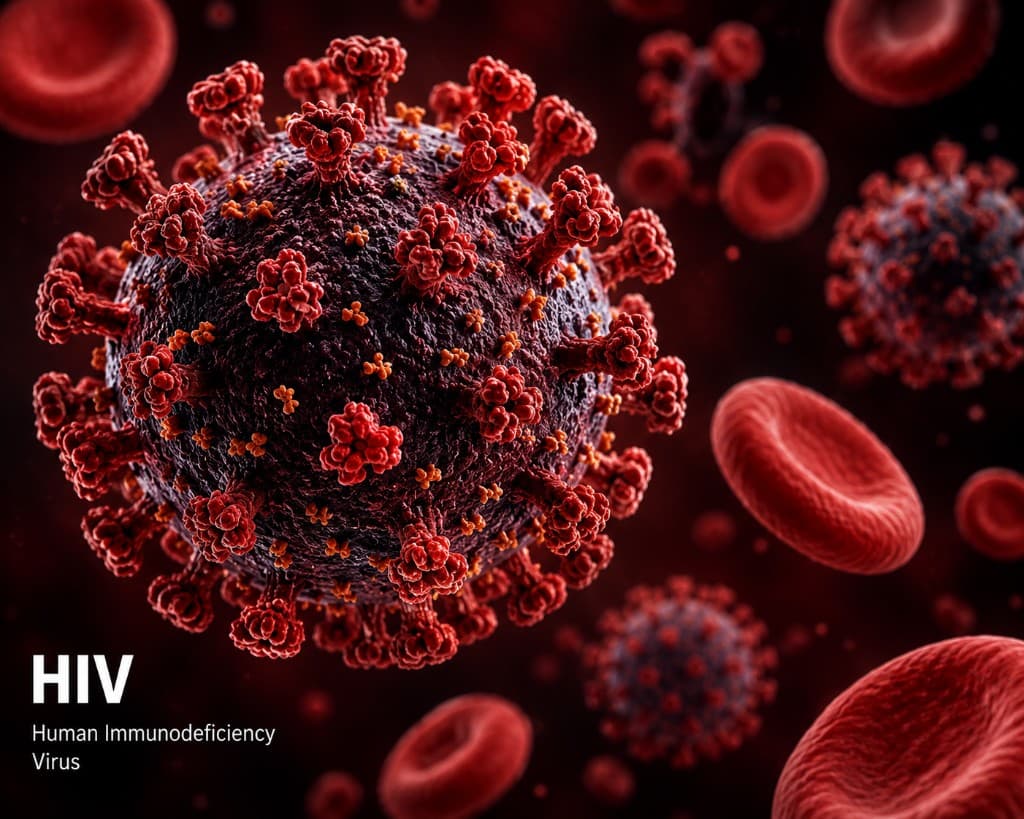
3D illustration of HIV (Human Immunodeficiency Virus) particles among red blood cells

Focus 02

HIV/TB co-infection therapeutics

In silico design and development, and in vivo/in vitro assessment of antiviral agents against co-infection of HIV/TB

Computational design meets experimental testing for HIV/TB.

This research focuses on the in silico design and development of antiviral agents targeting HIV/TB co-infection, followed by in vivo and in vitro evaluations. By integrating computational modeling with biological testing, the study aims to identify effective therapeutic candidates, improving treatment strategies for co-infected patients.

Computational design nominates antiviral candidates tailored to the challenge of HIV and tuberculosis co-infection.

Promising leads then move into in vivo and in vitro assessment so modeling insights are grounded in biological evidence.

  • In silico antiviral agent design
  • HIV/TB co-infection focus
  • Experimental validation of computational hits
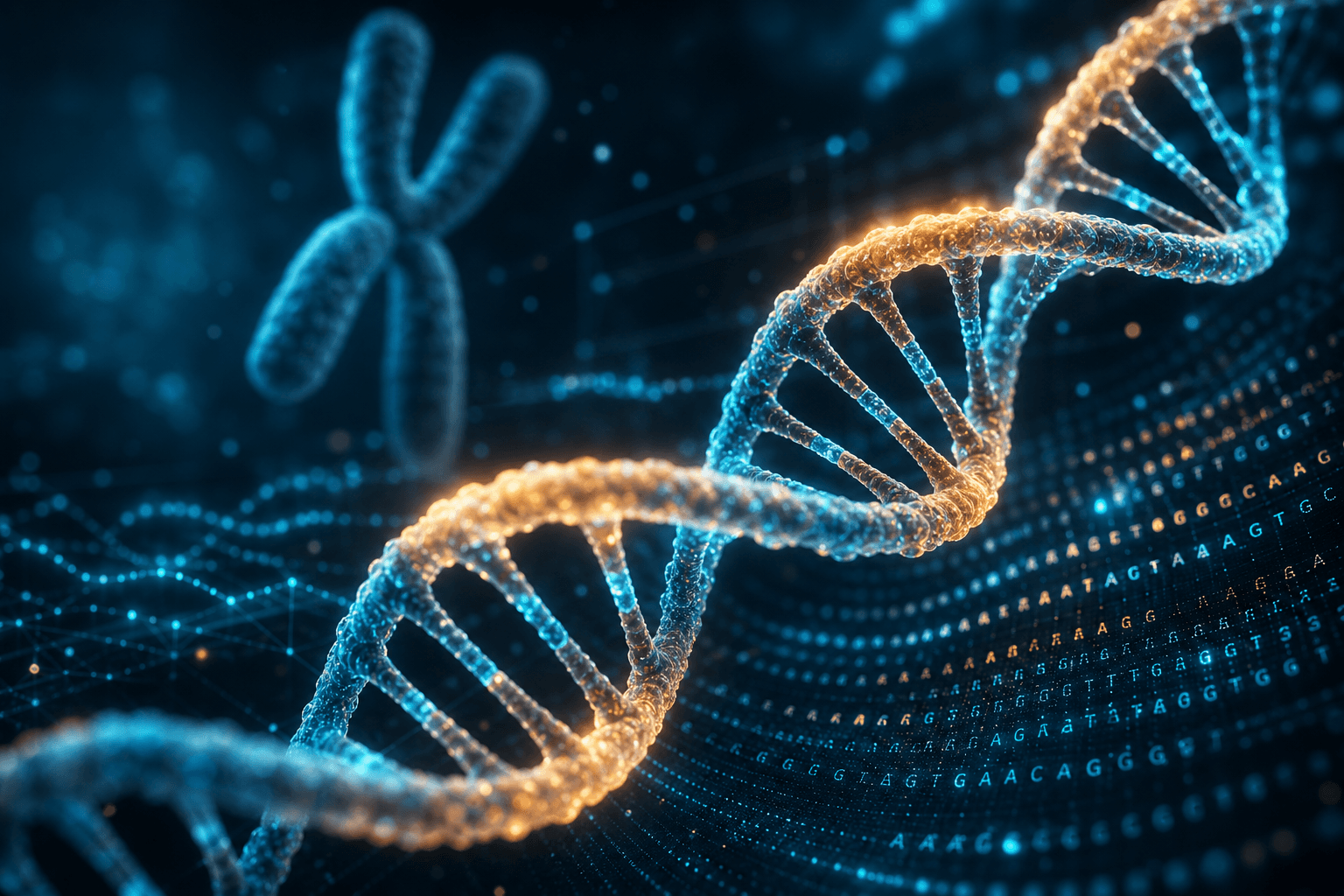
3D illustration of a DNA double helix with genomic sequence data and computational analysis overlays

Focus 03

Genomic bioinformatics

Bioinformatic and computational evaluation of genome

Genomic insight through algorithms, ML, and statistics.

This research utilizes bioinformatics and computational techniques to analyze and evaluate genomic data. By applying advanced algorithms, machine learning, and statistical methods, the study aims to uncover genetic variations, functional elements, and evolutionary patterns, contributing to advancements in personalized medicine, disease research, and genomic biotechnology.

Genomic datasets are analyzed with bioinformatics pipelines that combine algorithms, machine learning, and statistical methods.

The work surfaces genetic variation, functional elements, and evolutionary patterns relevant to disease research and personalized medicine.

  • Genome-scale computational analysis
  • Machine learning and statistical methods
  • Insights for disease and personalized medicine
Colorized scanning electron micrograph of SARS-CoV-2 virus particles on a cell surface

Focus 04

SARS-CoV-2 host interactions

Molecular interactions of SARS-CoV-2 proteins and human host receptors and the effects of mutations on these interactions

How viral proteins engage host receptors—and how mutations change them.

This research explores the molecular interactions between SARS-CoV-2 proteins and human host receptors, analyzing how mutations impact these interactions. Using computational modeling and experimental validation, the study aims to understand viral entry, immune evasion, and drug resistance, contributing to the development of effective therapeutics and vaccines.

Molecular modeling and experimental validation map how SARS-CoV-2 proteins engage human host receptors.

Mutation analysis clarifies effects on viral entry, immune evasion, and drug resistance to guide therapeutics and vaccines.

  • SARS-CoV-2–host receptor interaction mapping
  • Mutation impact on binding and entry
  • Implications for therapeutics and vaccines
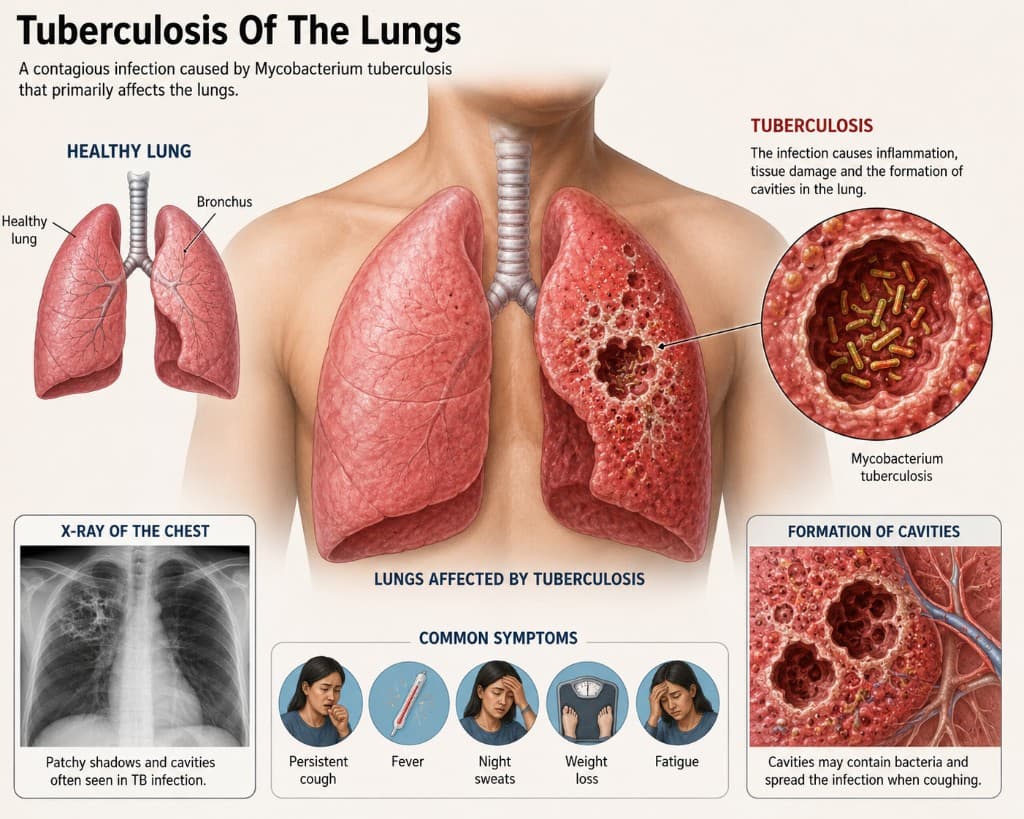
Medical illustration of tuberculosis of the lungs showing affected tissue, Mycobacterium tuberculosis, and common symptoms

Focus 05

TB & cancer therapeutic targets

Mycobacterium tuberculosis and cancer therapeutic targets

Shared pathways and druggable proteins across TB and cancer.

This research investigates therapeutic targets in Mycobacterium tuberculosis and cancer, focusing on shared molecular pathways and druggable proteins. By integrating computational and experimental approaches, the study aims to identify novel treatment strategies, repurpose existing drugs, and enhance targeted therapies for tuberculosis and cancer.

Shared molecular pathways and druggable proteins are mapped across Mycobacterium tuberculosis and cancer biology.

Computational and experimental approaches support novel treatments, drug repurposing, and more targeted therapies.

  • TB and cancer target discovery
  • Shared pathway and protein analysis
  • Drug repurposing and targeted therapy
Laboratory instruments supporting computational and experimental data analysis

Focus 06

AI & statistical methods

AI algorithm development, statistical method development & data analysis

Custom AI, statistics, and analytics for complex research problems.

This research focuses on the development of AI algorithms, advanced statistical methods, and data analysis techniques to solve complex problems across various domains. By integrating machine learning, predictive modeling, and big data analytics, the study aims to enhance decision-making, optimize processes, and drive innovation in scientific and industrial applications.

New AI algorithms and statistical methods are developed to analyze complex biomedical and scientific datasets.

Machine learning, predictive modeling, and big-data analytics support clearer decisions and more efficient discovery workflows.

  • AI algorithm development
  • Advanced statistical methods
  • Predictive modeling and data analysis
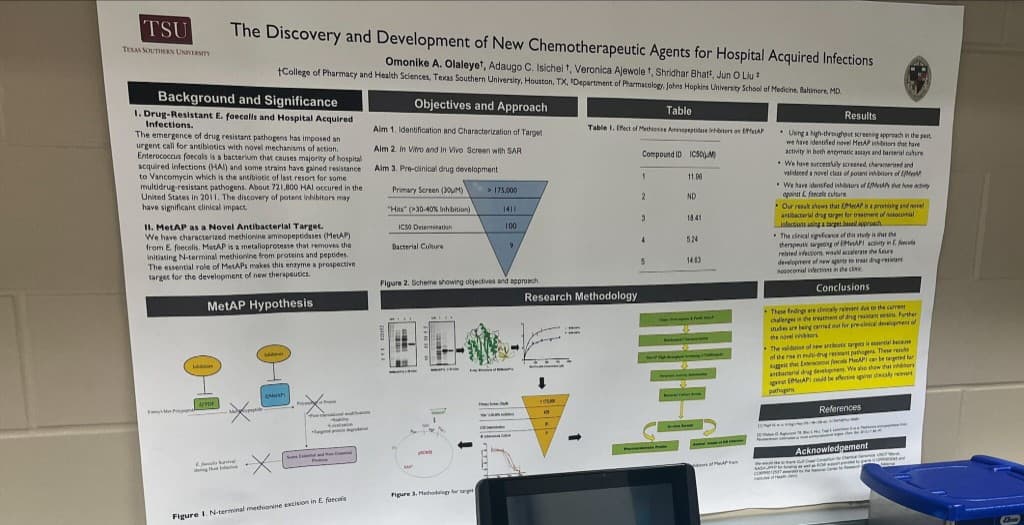
Research poster on methionine aminopeptidase inhibitors and structure-guided discovery

Focus 07

Protein design & drug discovery

Analysis of protein sequence and structure, computational protein design and drug discovery

From sequence and structure to designed proteins and drug leads.

This research focuses on the analysis of protein sequences and structures, computational protein design, and drug discovery. By leveraging bioinformatics, molecular modeling, and AI-driven simulations, the study aims to uncover functional insights, engineer novel proteins, and identify potential therapeutic compounds for various diseases.

Protein sequences and structures are analyzed to reveal function and guide computational design.

Bioinformatics, molecular modeling, and AI-driven simulation help engineer proteins and nominate therapeutic compounds.

  • Protein sequence and structure analysis
  • Computational protein design
  • Structure-guided drug discovery
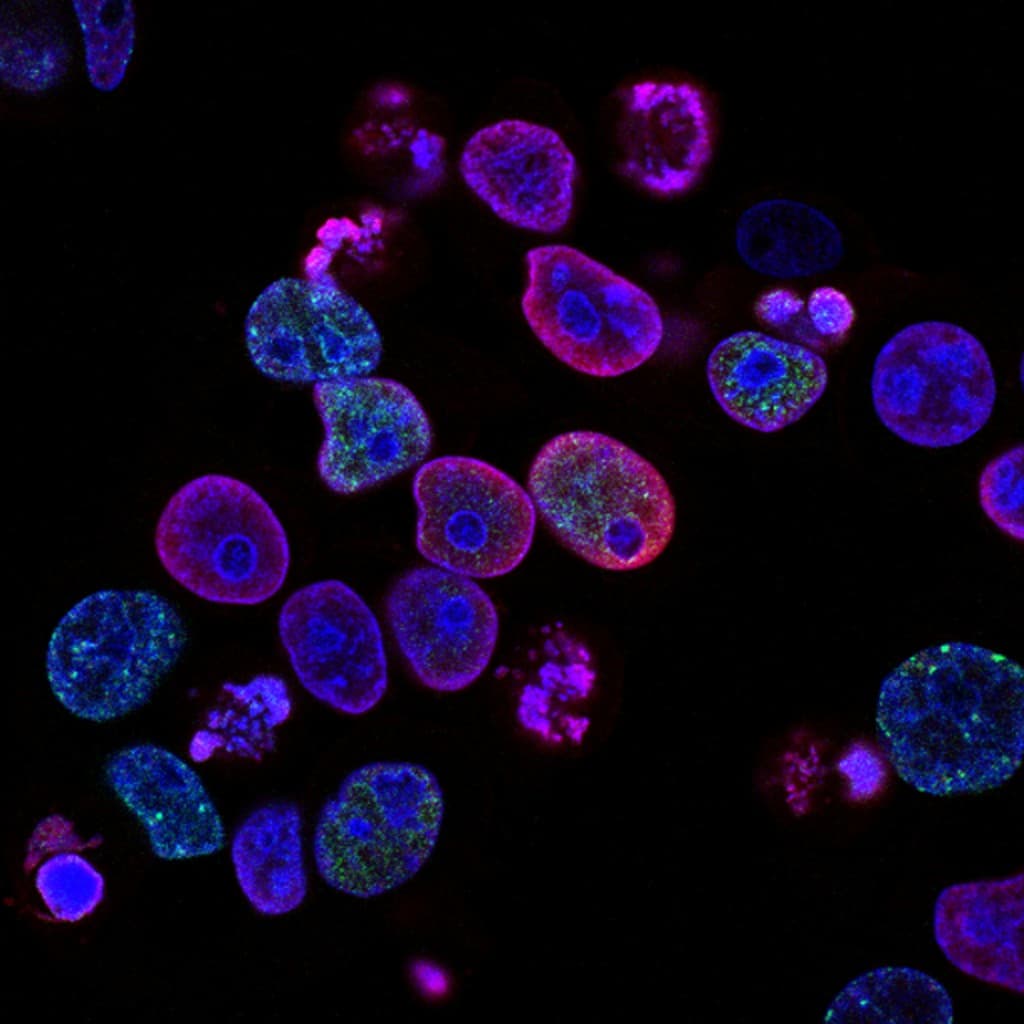
Fluorescence microscopy imagery representing molecular and cellular research

Focus 08

Biophysical property design

Application and molecular modelling of protein structure knowledge to predict and design biophysical properties

Predicting and designing protein stability, interactions, and function.

This research applies molecular modeling and protein structure analysis to predict and design biophysical properties. By leveraging computational simulations and structural bioinformatics, the study aims to enhance protein stability, interactions, and functionality, contributing to advancements in drug design, biomaterials, and therapeutic protein engineering.

Structural knowledge and molecular modeling are used to predict biophysical behavior of proteins.

Designed improvements in stability, interactions, and function support drug design, biomaterials, and therapeutic protein engineering.

  • Protein biophysical property prediction
  • Structural bioinformatics and simulation
  • Applications in drug design and protein engineering
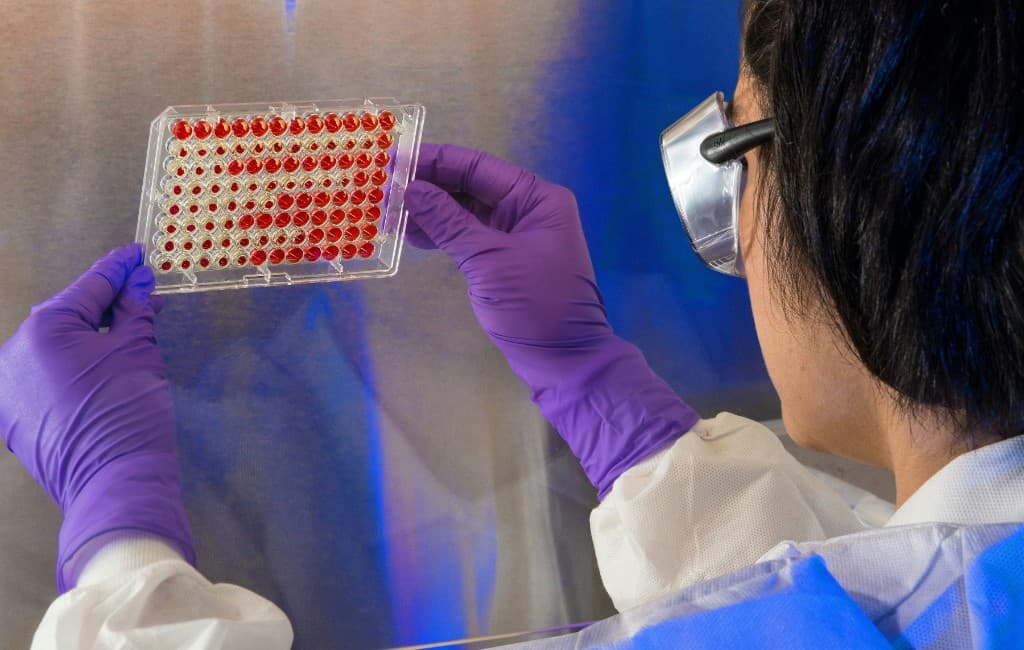
High-throughput screening well plate used in experimental drug evaluation

Focus 09

Pharmacokinetic prediction

Pharmacokinetic properties prediction

ADME prediction to prioritize safer, more effective candidates.

This research focuses on the prediction of pharmacokinetic properties using computational modeling and AI-driven simulations. By analyzing drug absorption, distribution, metabolism, and excretion (ADME), the study aims to optimize drug design, improve efficacy, and minimize toxicity, accelerating the development of safer and more effective therapeutics.

Computational and AI-driven models estimate absorption, distribution, metabolism, and excretion early in discovery.

ADME insight helps optimize efficacy, reduce toxicity risk, and accelerate safer therapeutic development.

  • ADME property prediction
  • AI-assisted pharmacokinetic modeling
  • Earlier prioritization of safer candidates
Drug discovery workspace supporting computational and experimental research

Focus 10

Small-molecule optimization

Drug discovery and small molecule optimization

Modeling, SAR, and iteration to improve therapeutic compounds.

This research focuses on drug discovery and small molecule optimization using computational and experimental approaches. By leveraging molecular modeling, AI-driven simulations, and structure-activity relationship (SAR) analysis, the study aims to identify novel therapeutic compounds, enhance drug efficacy, and minimize liabilities across the discovery pipeline.

Molecular modeling, AI-driven simulation, and SAR analysis guide the search for novel therapeutic compounds.

Computational and experimental iteration improves potency while reducing liabilities across the discovery pipeline.

  • Small-molecule drug discovery
  • Structure–activity relationship analysis
  • Efficacy optimization with fewer liabilities

How the work gets done

Computational suites, HPC partnerships, and experimental collaboration that support every focus area.

Selected peer-reviewed work from the lab and collaborators.

View publications